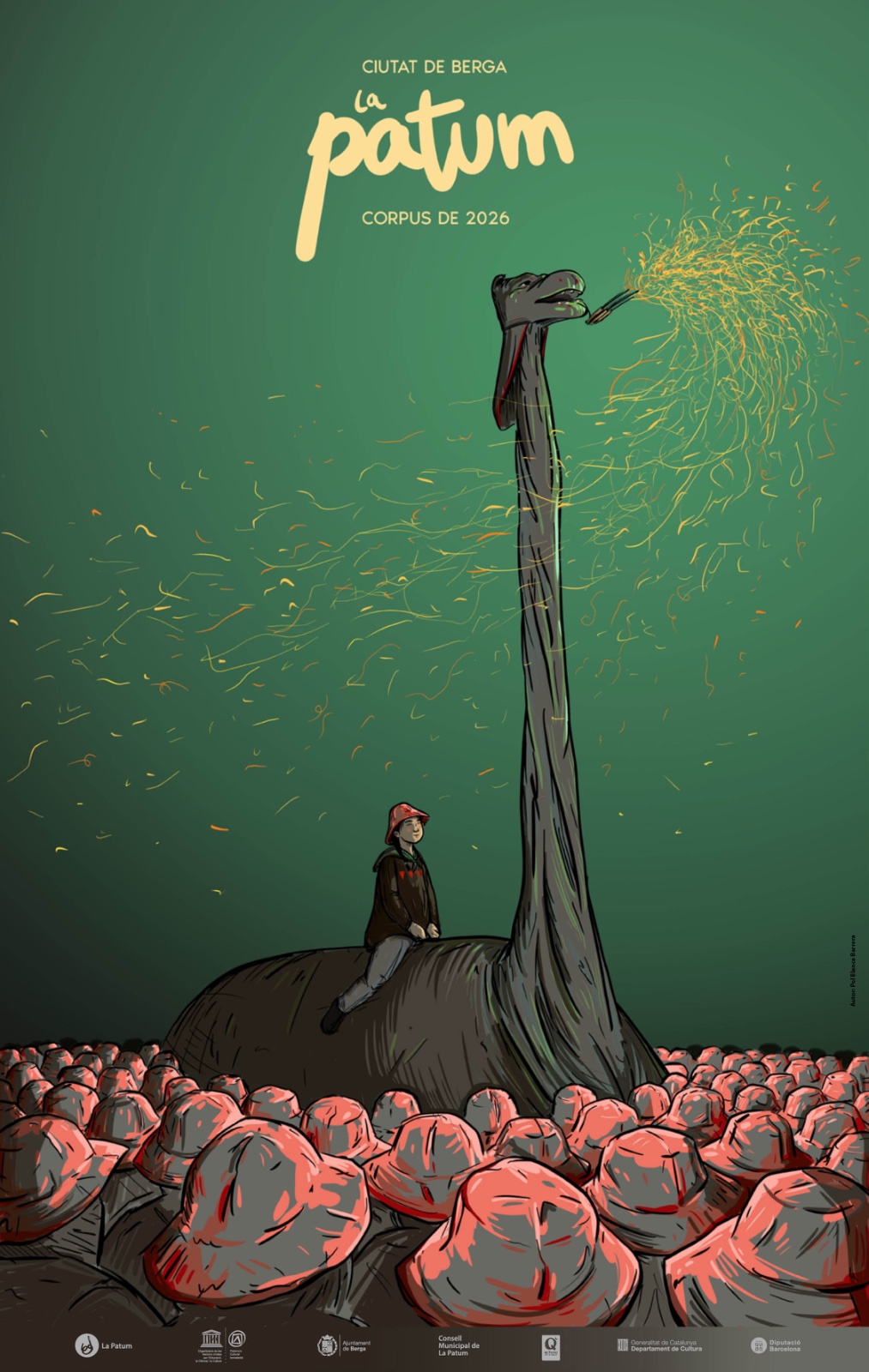
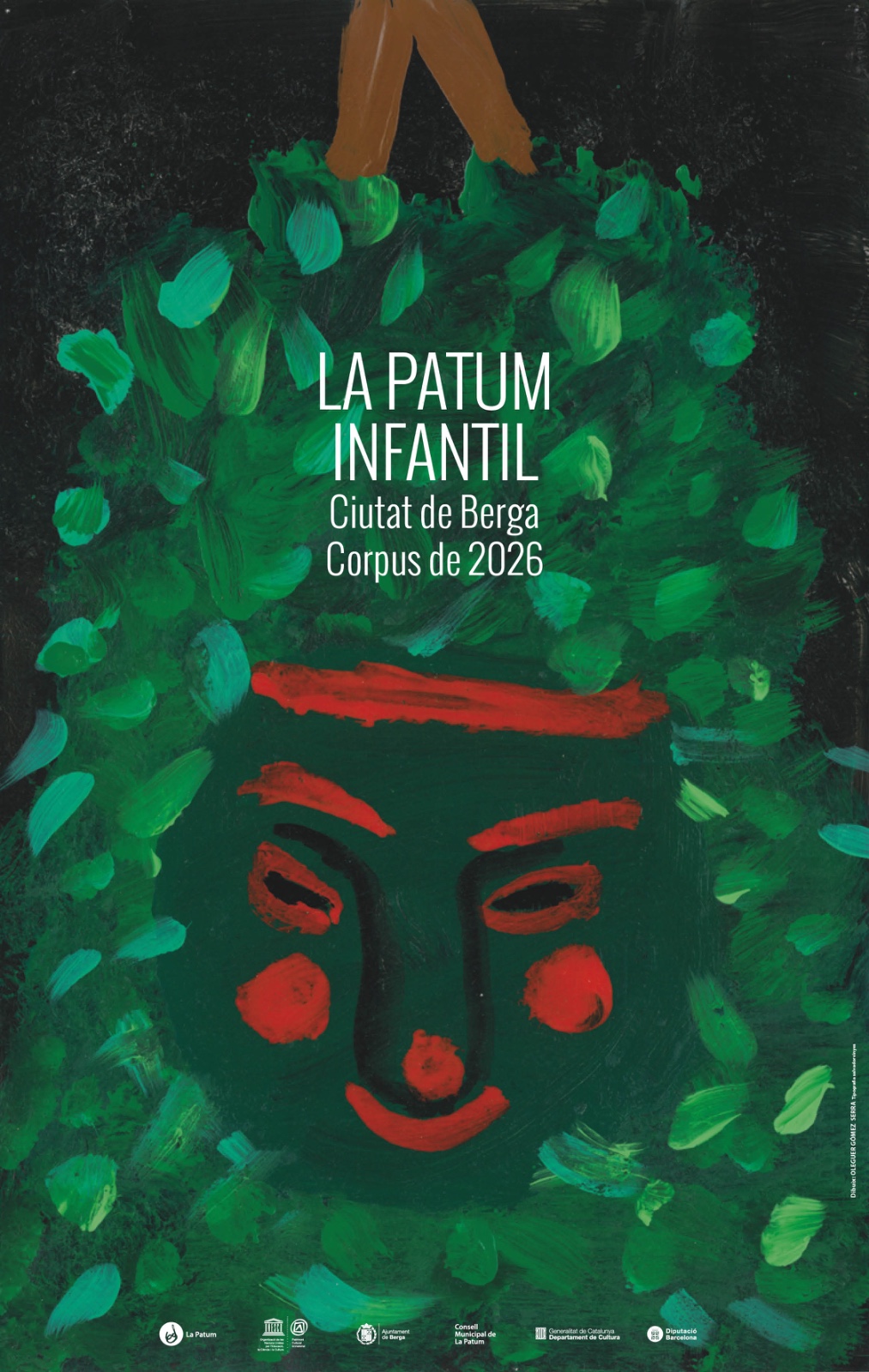
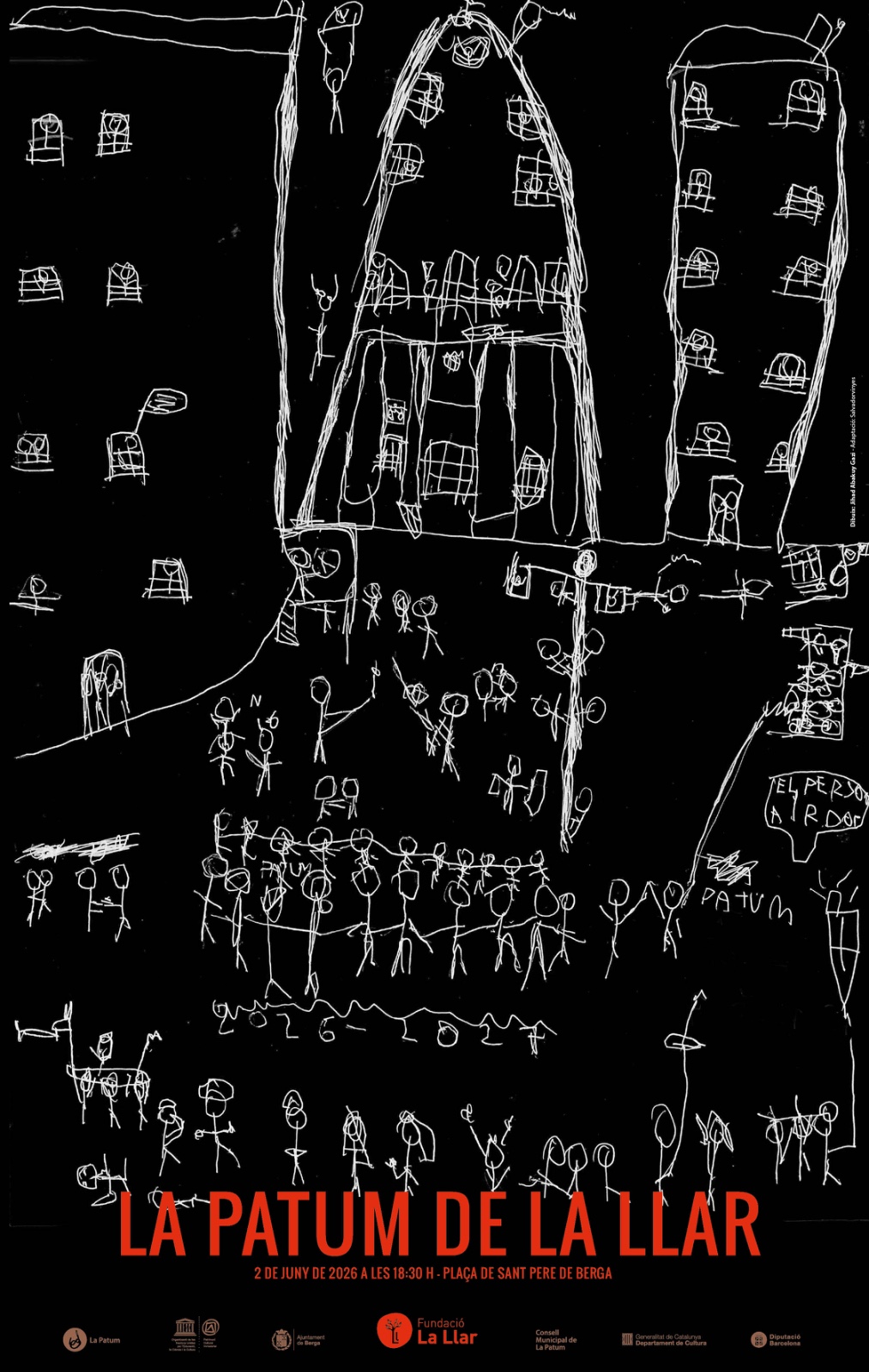
The Patum of Berga is an ancestral ritual that, for centuries, has transformed the city into a living stage where emotions, fire, and music connect us with our ancestors. What began in a modest and spontaneous way, a tradition that evolved by incorporating the most ancient pagan elements into the liturgical framework of the old medieval Corpus Christi processions, has become a unique and massive experience that gives meaning to the way we relate to our history and to ourselves.
Yet Patum goes even further. Above all, it is a shared experience that the people of Berga have preserved with continuity and pride, turning it into a unique expression unlike any other celebration. It is a profound feeling, a legacy passed down from generation to generation, one that cannot be fully contained in what is visible or explained: “the miracle that Berga has been able to create and sustain,” the magnificent spectacle that, year after year, reaffirms and celebrates our identity, and which UNESCO has recognized as a Masterpiece of the Oral and Intangible Heritage of Humanity.
Safe Patum


- To enjoy a safe Patum in the square.
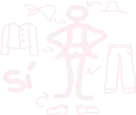
- Wear clothing that protects you from fire: long-sleeved shirt, long trousers, scarf, hat and sturdy footwear.
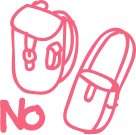
- Do not bring a backpack. It gets in the way during the jumps in the square and in the street processions. A cloakroom is available.
- It is not permitted to enter the square with glass objects or containers.
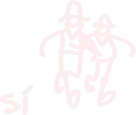
- Respect the space of each troupe.
- Always move in this direction. When jumping, maximum two people.
- During the Plens jump
- This is not a correfoc! 900 fuets and 100 flares are burned in each Plens jump.
- The fire from the fuet burns intensely and is different from other firecrackers.
- Respect the Ple and their companion.
- Move around the square counterclockwise, without forming groups or chains of people.
- If there is an incident, a red flare will be lit, the music will stop and the lights in the square will be turned on. Stay where you are and follow the instructions given over the public address system.
- When the jump ends, make it easier for the Plens and their companions to leave.
Glossary
Comparsa
Each of the troupes who put on a performance or dance for the figures involved in the festivities: Tabal (drum), Turcs (Turks) and Cavallets (little horses), Àngels (angels), Maces (maces), Guita Grossa (big mule dragon), Guita Xica (small mule dragon), Àliga (eagle), Nans Vells (old dwarfs), Gegants (giants), Nans Nous (new dwarfs) and Plens (fire demons).
Passacarrers/passades
Processions featuring some of the Patum troupes around the streets and squares of Berga, with stops at fixed points along the way where salts (dance round) are performed. There are three processions and each follows different routes during Corpus Christi week: Wednesday at midday and in the evening, and Saturday in the evening.
Salt
This word is used to refer to the individual performances or dances by each troupe and also the rounds of performances or dances by the troupes. During the processions, the round consists of the Maces (maces), Guites (mule dragons) and Gegants (giants), whereas during the patums in the square, all the troupes take part in the round, beginning with the Turcs (Turks) and Cavallets (little horses) and ending with the Nans Nous (new dwarfs).
Salt de Plens
During a salt de Plens (fire demon dance), Plaça de Sant Pere fills with a hundred Plens (fire demons), their attendants and people wishing to participate. When the streetlights in the square go off and the music begins, the attendants use the sparklers they are holding to light the nine gerbs carried by each demon. A dance then begins in which the participants circle in an anticlockwise direction. In the event of an incident, the music stops and the streetlights go back on. The dance ends when all the fireworks have exploded.
Fuet
These are the gerbs used during the performance by the troupes associated with fire: Maces (maces), Guites (mule dragons) and Plens (fire demons). A fuet is made of two parts: one that is lit and shoots off sparks for more than a minute as it burns and another that eventually explodes when the gerb has completely burnt down.
Tirabol
The final dance that brings the processions and patums to an end in the square. During the Tirabol, the Gegants (giants) and Guites (mule dragons) dance at the same time to the beat of the Tabal (drum) and the music as everyone goes round in circles in the square.
Barreja i Maumau
Alcoholic drinks historically associated with the Patum. Barreja contains anise and muscatel, while maumau is made of red vermouth and lemonade. Traditionally, they are drunk from a wineskin or porró glass pitcher.
Posters,
program and
routes