Origins
More than 600 years of history: from medieval play to Oral and Intangible Cultural Heritage of Humanity
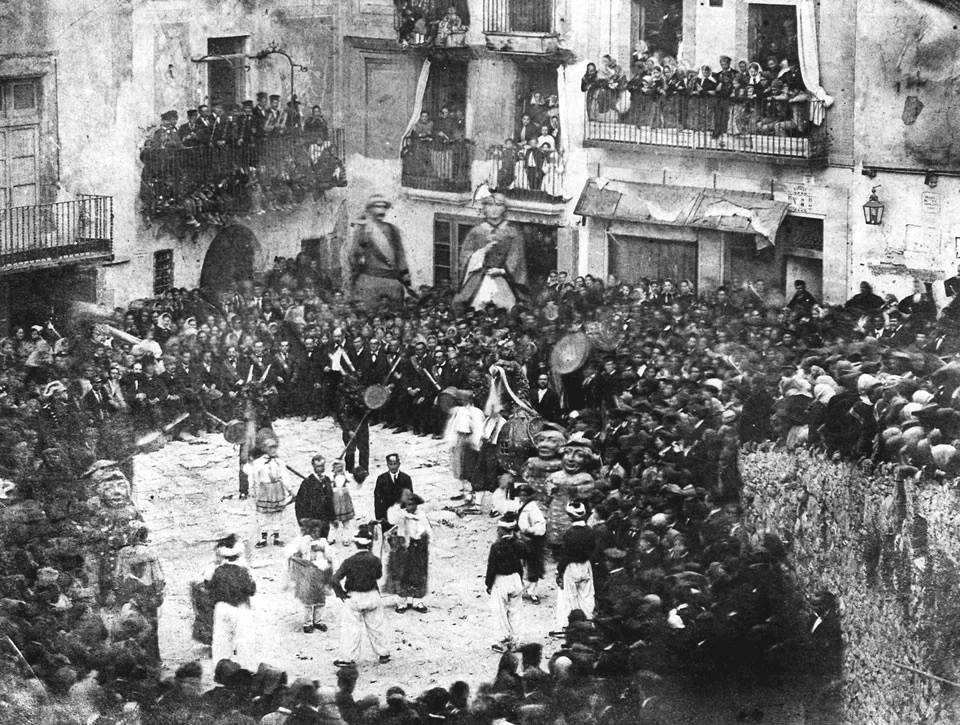
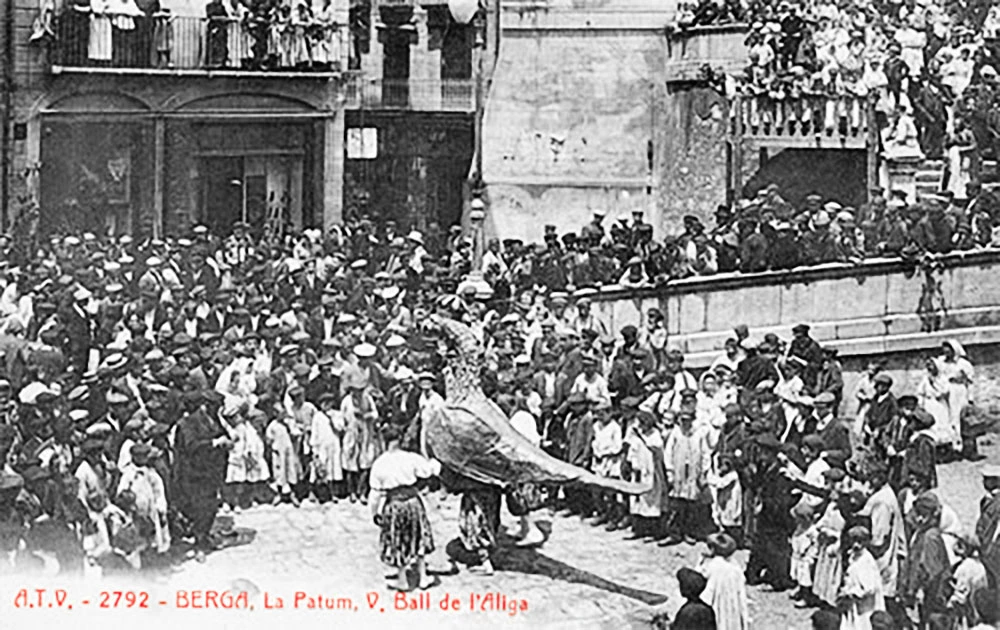
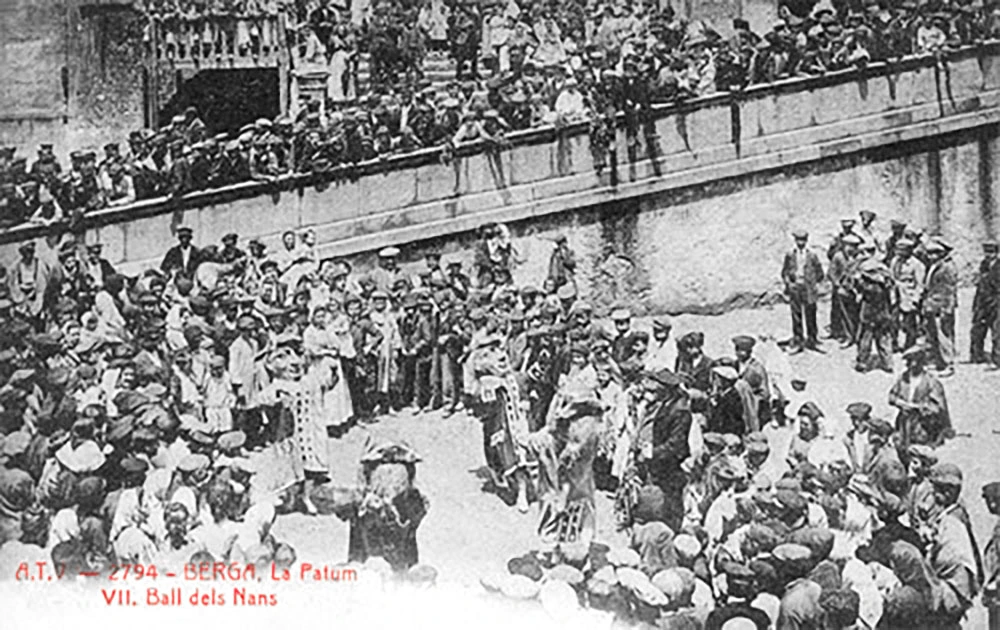
The origins of the Patum can be traced back to the old interludes that paraded in the Corpus Christi processions and were intended to educate, moralise and teach people so that they would have a deeper understanding of the Holy Scriptures. Over time, however, these interludes took on a character of their own and became popular, more so for their playful rather than instructive nature.
They gradually lost their original meaning and only the most festive parts remained of these performances. The revelry of the processional march increased in intensity, especially before the procession commenced and also once it was over.
This ultimately gave way to festive shows that inevitably formed the Bulla (commotion) or Bullícia del Santíssim Sagrament (frenzy of the Blessed Sacrament), which was in fact the former name of the festival before it was replaced by the Patum at the turn of the 19th century.
This phenomenon, which took place in several towns and cities in Catalonia, became lost as a result of the prohibitions passed by civil, ecclesiastical and royal powers, which meant that few of these expressions survived the Council of Trent (1563), and the death knell was even sounded for all the interludes by the restrictive provisions of the 18th century.
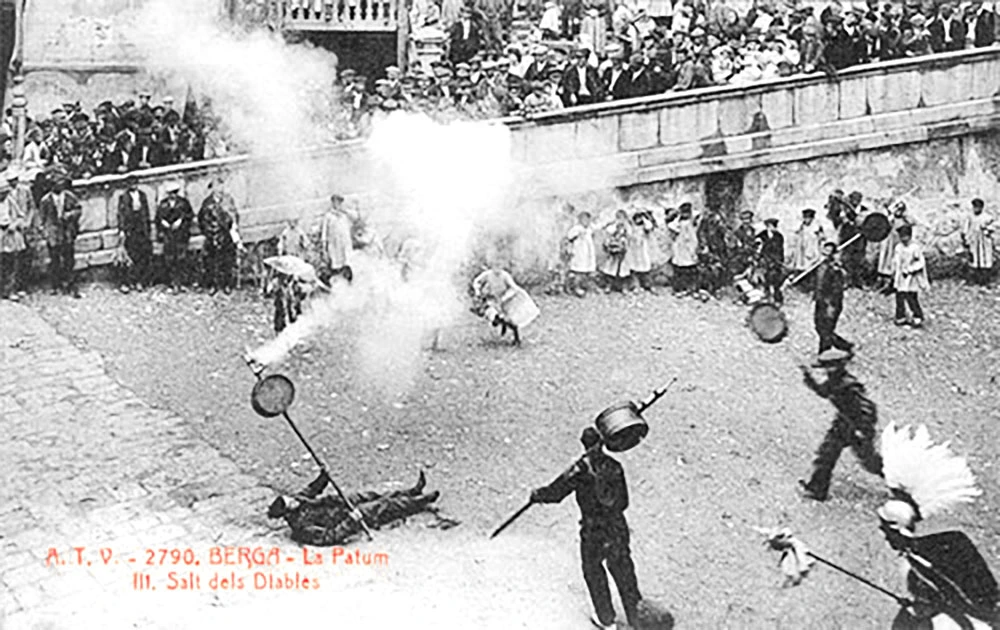
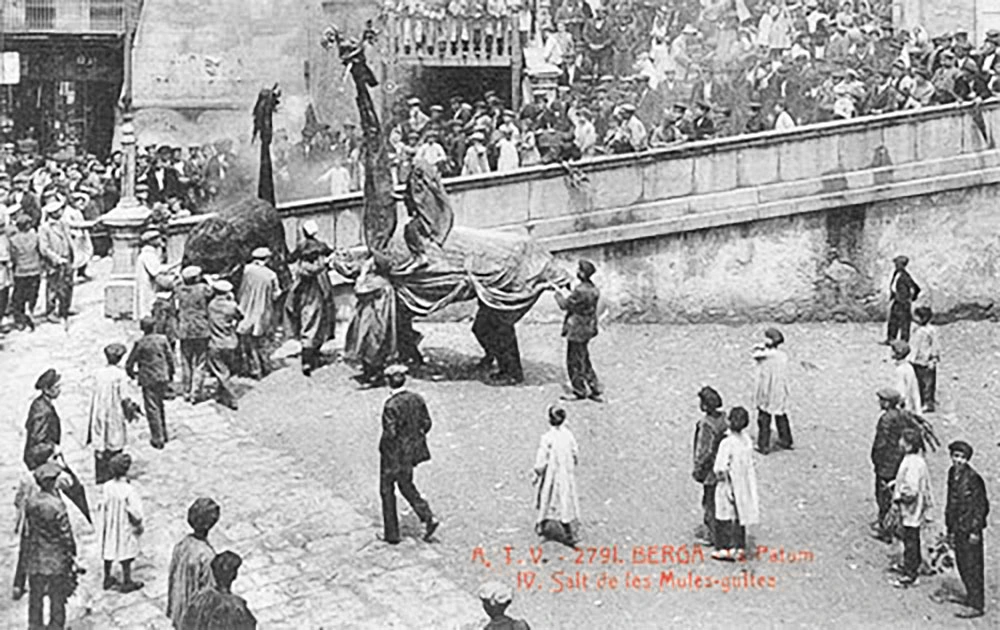
Of all the former Bullícies of the Blessed Sacrament that took place in Catalonia, only the town of Berga has managed to maintain and preserve one throughout the centuries. It is known as the Patum.
Corpus
Comparses
Unesco
Masterpiece of the Oral and Intangible Cultural Heritage of Humanity
An international jury convened at UNESCO headquarters in Paris on 25 November 2005 publicly announced the list of forms of cultural expression that became Masterpieces of the Oral and Intangible Cultural Heritage of Humanity. Among those chosen was the Patum of Berga, because of its uniqueness and artistic and historical value, the first popular event to obtain this recognition in Catalonia and second in all of Spain after the Mystery Play of Elche.
Obtaining this recognition is another reason why the Patum must maintain the essence of its festivities, given that UNESCO has become a direct protector of this form of cultural expression.
The recognition of the Patum as a Masterpiece of the Oral and Intangible Cultural Heritage of Humanity is a collective merit, involving all the people who have perpetuated the most lived of our traditions. In addition to all those people who love the Patum and are proud to continue celebrating it year after year for Corpus Christi.